However, individuals may also feel like choking or gasping when they awaken. Recurrent awakenings or sleeplessness are the symptoms that individuals suffering from central sleep apnea report more frequently.
If you experience these symptoms, visiting a sleep apnea dentist Virginia Beach can provide personalized diagnosis and treatment options.
- Weariness or sleepiness during the day
- Sleep disturbances and frequent midnight awakenings
- Sudden awakenings accompanied by a feeling of choking or gasping
- Waking up with a painful throat or dry mouth
- Cognitive dysfunction, such as attentional difficulties, forgetfulness, or impatience
- Disturbances in mood (depression or anxiety)
- Sweats during the night
- Frequent urinating at night
- Sexual maladjustment
- Headaches
- Obstructive Sleep Apnea:- It is one of the most common forms of sleep apnea. When the throat and mouth are functionally blocked, it happens. Breathing becomes more challenging, or in some circumstances impossible, when, for instance, the tongue rests against the floor of the mouth during sleeping, followed by the uvula and soft palate resting against the neck.Due to the tongue and soft palate rattling, OSA can cause snoring. Additionally, it may make someone feel as though they are unable to breathe when they awaken. Even if the lungs continue to function normally and the body makes efforts to live, OSA prevents enough air from entering the upper airway.
- Central Sleep Apnea:- Breathing is also inhibited during central sleep apnea. However, it does not happen because of upper airway blockage. Instead, neurological issues are to blame.There is no snoring because, unlike in obstructive sleep apnea, the body does not attempt to breathe during central sleep apnea. Instead, the individual stops breathing because the brain and neurological organs do not continuously convey breathing signals.
- Complex Sleep Apnea Syndrome:- One form of sleep apnea that includes central and OSA is known as complex sleep apnea syndrome. A preliminary sleep investigation may occasionally reveal complicated sleep apnea syndrome. Sometimes it becomes evident after trying standard CPAP equipment or other conventional OSA treatments, and the apnea persists.
Your doctor might merely advise making lifestyle changes, such as stopping smoking or decreasing weight, for milder forms of sleep apnea. Your doctor will recommend allergy treatment if you have respiratory allergies.
Numerous other treatments are available if these steps don't help your signs or if your sleep apnea is mild to severe.
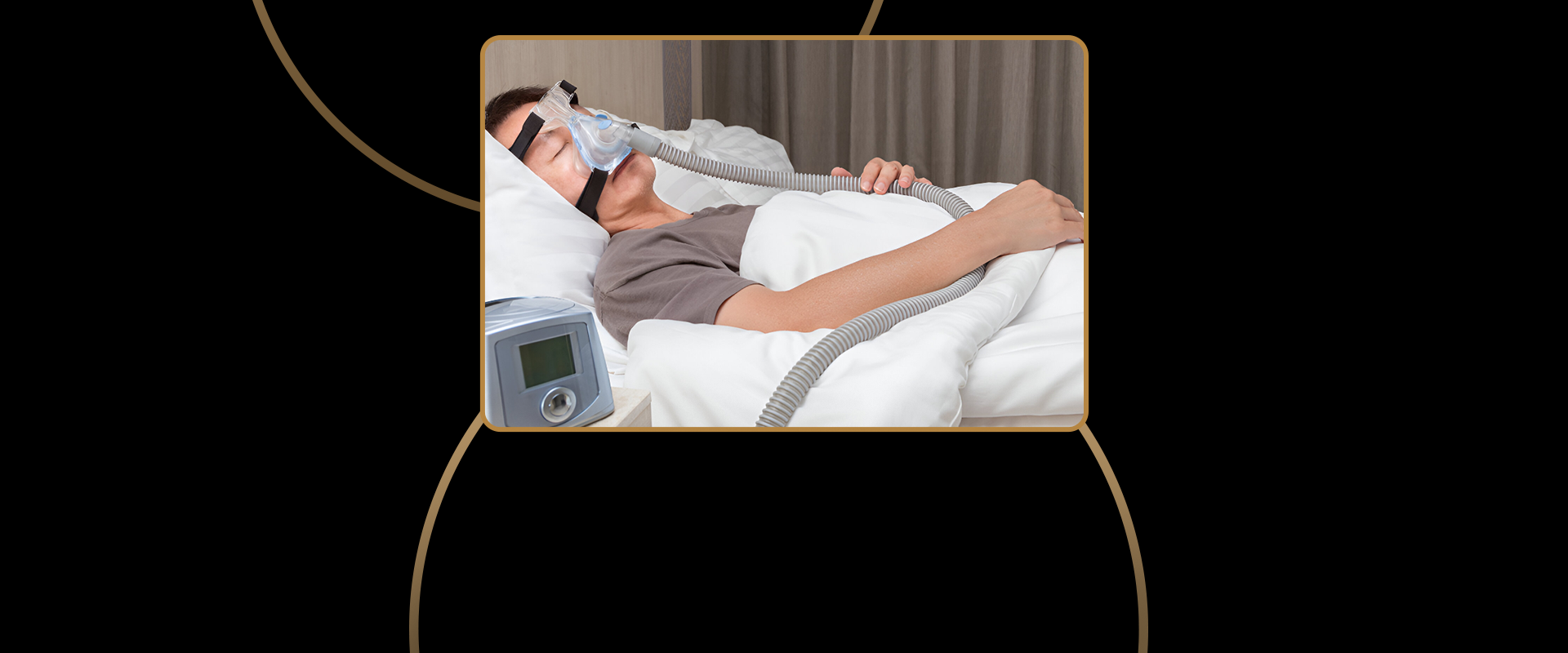
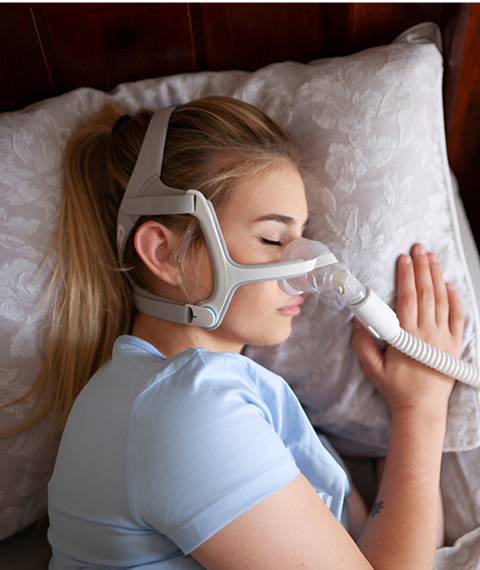
- Continuous positive airway pressure (CPAP):- A device that provides air pressure through a face mask while you sleep may be beneficial if you have mild to severe sleep apnea. With CPAP, the air pressure is slightly higher than the ambient air pressure and only sufficient to keep the upper airway passageways open, avoiding snoring and apnea. Although using a CPAP machine is the most popular and effective treatment, some individuals may find it inconvenient or painful.
- Treatment for underlying medical conditions:- Treating cardiac or neuromuscular issues, which are possible reasons for central sleep apnea, may be helpful.
- Supplemental Oxygen:- If you are suffering from central sleep apnea, using more oxygen while you sleep may be beneficial.
- Servo-ventilation that adapts (ASV):- This more contemporary airflow device learns your typical breathing pattern and keeps the data in an integrated computer. After you nod off, the gadget applies pressure to restore your breathing pattern to normal and stop breathing pauses.
Another choice is to use an oral device that keeps your throat open. Oral appliances may be more straightforward, but CPAP has a higher effectiveness rate. Some work by forcing your jaw forward to open your throat, which can occasionally stop snoring and moderate obstructive sleep apnea.
A qualified sleep apnea dentist Virginia Beach can customize an oral appliance for your specific needs. This non-invasive option has helped many patients seeking Virginia Beach sleep apnea treatment improve their sleep and overall health.
MORE TO EXPLORE

 700 Independence Cir STE 1A, Virginia Beach, VA 23455