
December 31, 2021
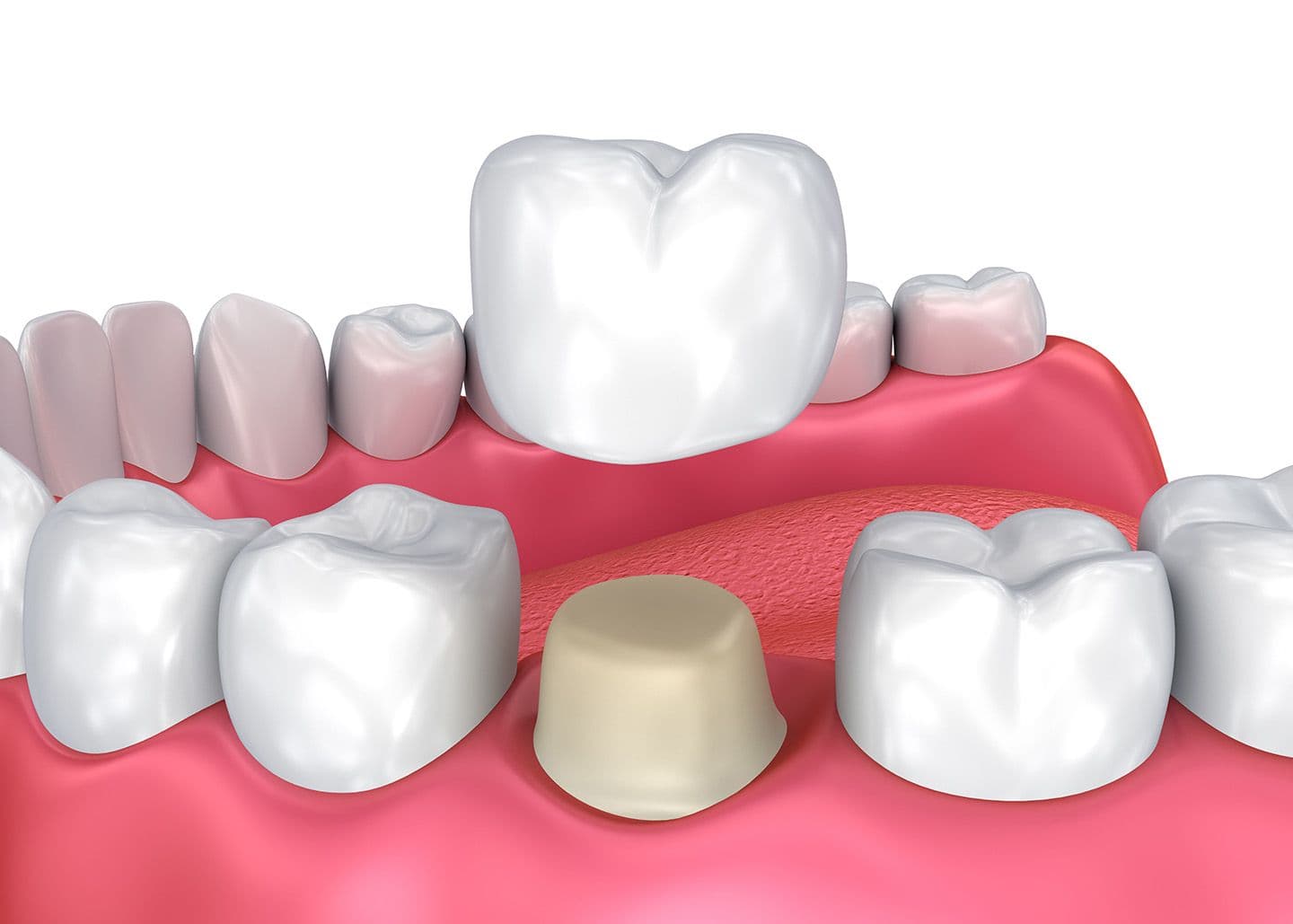
A crown is a tooth-shaped “cap” that restores the shape, size, strength, and appearance of a damaged tooth. Think of it as a cozy hat for your tooth. The crown is cemented on top of your natural tooth and covers the visible part. Continue reading to learn more about dental crowns, needs, and its cost.
What is a crown?
Over time, your teeth can be damaged due to decay, injury, or simply aging. A crown is a tooth-shaped “cap” that restores the shape, size, strength, and appearance of a damaged tooth. Think of it as a cozy hat for your tooth. The crown is cemented on top of your natural tooth and covers the visible part.
Why do you need a crown?
You may need a crown for several reasons, such as:
 To protect weak teeth (for example, those with cavities) from breaking, or to hold a cracked tooth together.
- Covering a dental implant.
- Covering teeth after root canal treatment.
- Improving appearance of misshapen or severely discolored teeth.
- Restoring a broken tooth or one that is severely worn down.
- Supporting a tooth with a large filling when little natural tooth remains.
- Holding a dental bridge in place.
What are onlays and 3/4 crowns?
Onlays and 3/4 crowns are types of crowns that do not cover the entire tooth, unlike traditional crowns. These are a more conservative option if you still have a strong natural tooth structure. During this procedure, the dentist removes only the damaged portion and reshapes the tooth to fit the onlay or partial crown, preserving as much of the original tooth as possible.
How long does a crown last?
On average, crowns last between 5 to 15 years. Their lifespan depends on how much wear they’re exposed to, your oral hygiene, and personal habits, such as:
- Bruxism (teeth grinding).
- Nail biting.
- Using teeth to open packages.
Do I need special attention to teeth with crowns?
Crowned teeth do not require special attention. However, the underlying teeth should be protected from tooth decay and periodontal disease. For this reason, you may continue to follow good oral hygiene practices. These methods include brushing your teeth twice a day and using dental floss once daily. You are used primarily in the crown area where the gums meet the teeth. Also, do not bite hard surfaces with a porcelain crown to avoid damaging the porcelain.
How much does a crown cost?
The cost of a crown depends on where you live and the type of crown. For example, porcelain crowns are usually more expensive than gold crowns. Gold crowns are generally more costly than metal-ceramic fused crowns. Dental crowns can cost between $ 800 and $ 1,500 or more per crown. Insurers usually do not pay the total cost of the krone. Indeed, check with your specific dental insurance company.