

April 23, 2024
Sleep apnea doesn’t just affect your sleep quality - it may also contribute to weight gain. In this blog, we’ll explore the connection between sleep apnea and weight gain, the vicious cycle they create, and how treatment plus lifestyle changes can help break it.
Sleep Apnea: The Disrupted Night
There are three main types of sleep apnea:
 Obstructive sleep apnea (OSA): The most common type, OSA occurs when the muscles supporting your throat relax during sleep, causing your airway to narrow or collapse.
- Central sleep apnea: This type occurs when your brain fails to send signals to your muscles to breathe.
- Mixed sleep apnea: A combination of obstructive and central sleep apnea.
Symptoms of sleep apnea include:
- Loud snoring
- Frequent awakenings with a gasping sensation
- Excessive daytime sleepiness
- Morning headaches
- Irritability
- Difficulty concentrating
These disrupted sleep patterns can have a significant impact on your metabolism and hormones, potentially leading to weight gain.
How Sleep Apnea Can Lead to Weight Gain
- Hormonal Imbalance: Sleep deprivation disrupts leptin (appetite-suppressant) and ghrelin (appetite-stimulating) hormones, increasing cravings for high-calorie foods.
- Decreased Energy Levels: Fatigue reduces motivation to exercise, lowering daily calorie burn.
- Increased Insulin Resistance: Sleep apnea worsens insulin sensitivity, leading to poor blood sugar regulation and hunger spikes.
- Poor Sleep Quality and Metabolism: Fragmented sleep slows metabolism and contributes to weight gain.
Weight Gain and Sleep Apnea: A Vicious Cycle
While sleep apnea can contribute to weight gain, the relationship goes both ways. Being overweight or obese is a major risk factor for developing sleep apnea. Excess weight, particularly around the neck, can narrow your airway and worsen sleep apnea symptoms.
This creates a vicious cycle. Weight gain worsens sleep apnea, leading to more sleep disruptions and the factors mentioned above that can contribute to further weight gain.
Breaking the Cycle: Treatment and Lifestyle Changes
If you suspect you have sleep apnea, it’s crucial to get diagnosed by a doctor. Depending on the severity, treatment options may include:
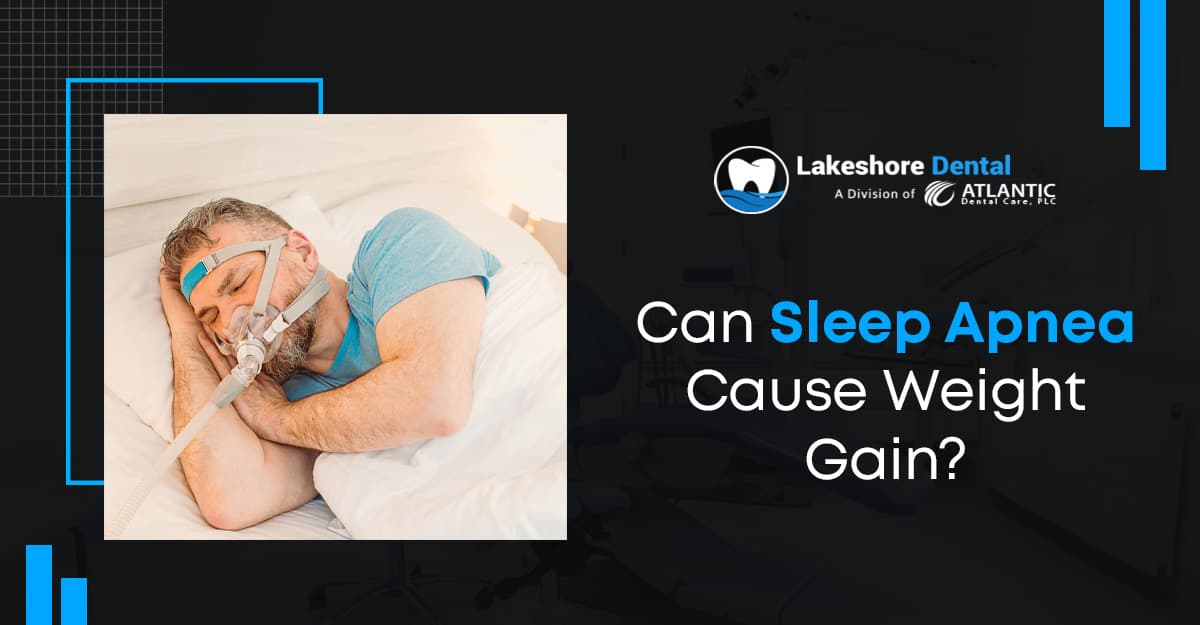
- Continuous Positive Airway Pressure (CPAP): Pressurized air keeps your airway open.
- Oral Appliance Therapy: Custom-made oral devices to keep the airway open.
- Surgery: In severe cases, surgery may be needed to remove tissue or widen the airway.
Lifestyle changes that help break the cycle:
- Weight Management: Even modest weight loss improves symptoms.
- Healthy Diet: Focus on whole foods, reduce processed sugars and unhealthy fats.
- Regular Exercise: Improves sleep quality and helps with weight management.
- Healthy Sleep Habits: Regular sleep schedule, relaxing bedtime routine, good sleep environment.
Conclusion
Sleep apnea and weight gain are a complex issue with a two-way street. By getting proper sleep apnea treatment and focusing on healthy lifestyle changes, you can break the cycle and improve your overall health and well-being.